
Have you ever wondered what actually happens when you squeeze your bike’s brake lever? Understanding how bicycle brakes work can make you a safer and more confident rider.
Whether you’re cruising through city streets or tackling mountain trails, your brakes are your most important tool to control speed and stay in control. You’ll discover the simple mechanics behind different types of bike brakes and learn how they keep you safe every time you hit the road.
Keep reading, and you’ll never take your brakes for granted again!
Credit: www.heybike.com
Types Of Bicycle Brakes
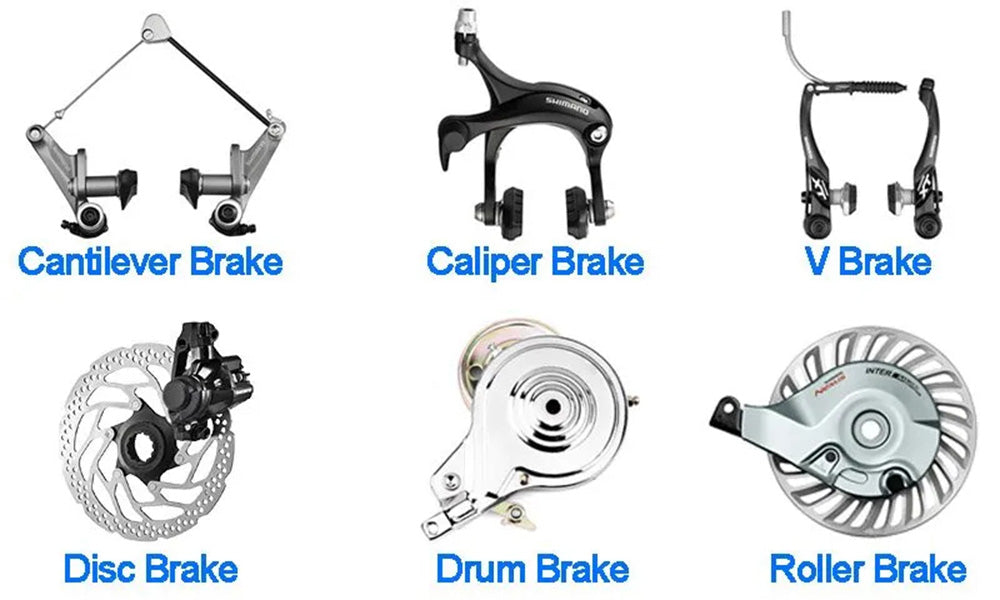
Bicycles use different types of brakes to stop safely. Each brake type works in a unique way. Knowing these types helps you choose the right bike and maintain it well.
Rim Brakes
Rim brakes press pads against the wheel rim. This friction slows the bike down. They are light and easy to fix. Common on road and city bikes. They work well in dry conditions but less in rain.
Disc Brakes
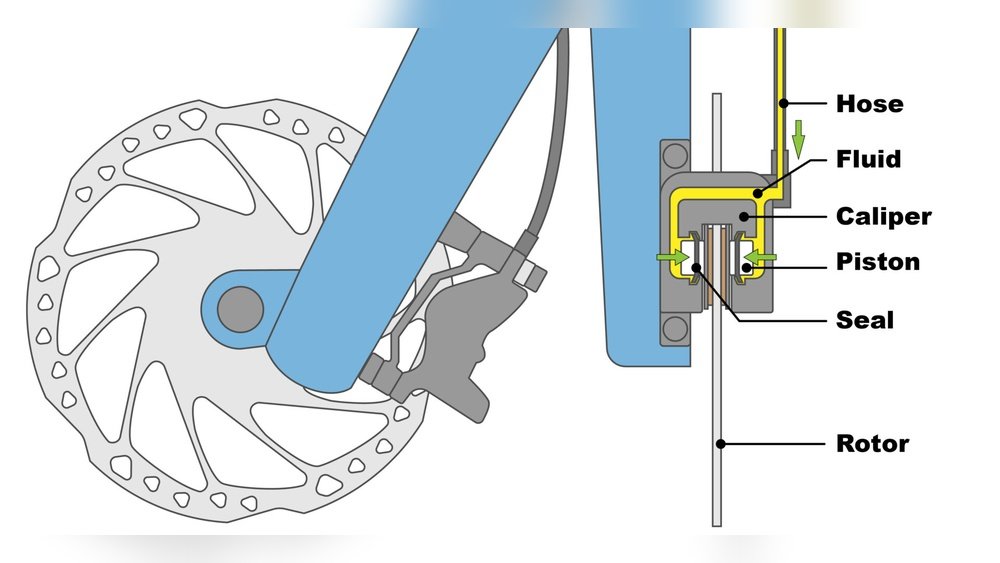
Disc brakes use a rotor attached to the wheel hub. Brake pads squeeze the rotor to stop the bike. They work in wet and muddy places. Common on mountain bikes and modern bikes. They provide strong and reliable stopping power.
Drum Brakes
Drum brakes have pads inside a drum on the wheel hub. When you press the brake lever, the pads push outward. This slows the wheel by friction inside the drum. They need less maintenance and last long. Found on some city and cruiser bikes.
Coaster Brakes
Coaster brakes stop the bike by pedaling backward. The mechanism is inside the rear hub. They are simple and low maintenance. Popular on kids’ bikes and some cruisers. They do not need brake levers or cables.
Credit: aricomagic.fr
Components Of Brake Systems
The brake system of a bicycle includes several key parts. Each part plays a role in stopping the bike safely. Understanding these parts helps riders keep their brakes in good shape. This knowledge also helps in choosing the right brake type for your bike.
Brake Levers
Brake levers sit on the handlebars. Riders pull these levers to slow down or stop. They act like a switch, sending force to the brake parts. Good brake levers offer smooth and easy control.
Brake Cables And Housing
Cables connect the brake levers to the brake pads. They carry the force from the lever to the brakes. The housing protects the cables and helps them move smoothly. Proper cable tension is important for quick braking.
Brake Pads
Brake pads press against the wheel to stop the bike. They grip the rim or rotor to create friction. Brake pads wear out over time and need replacing. Soft pads stop well but wear faster. Hard pads last longer but may grab less.
Rotors And Drums
Rotors and drums work with disc and drum brakes. Rotors are metal discs attached to the wheel hub. Brake pads squeeze the rotors to stop the bike. Drum brakes use a drum inside the wheel hub. Brake shoes push outward to slow the bike down.
How Braking Mechanism Works
The braking mechanism on a bicycle is simple but effective. It uses a few key parts to help you slow down or stop safely. Each step works together to make sure your bike responds quickly when you pull the brake lever. Understanding these steps helps you see how your bike stays under control.
Applying Force To Brake Levers
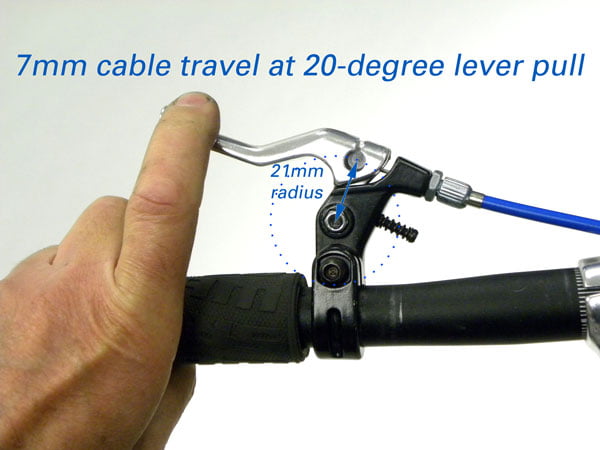
You start by squeezing the brake levers on the handlebars. This action sends a force through the brake system. The harder you pull, the stronger the force. This force is the beginning of the stopping process.
Cable Tension And Movement
The force from the lever pulls a cable tight. This cable runs from the lever to the brake arms near the wheel. Pulling the cable moves the brake arms inward. This motion brings the brake pads closer to the wheel rim or disc.
Friction Generation
The brake pads press against the spinning wheel part. This contact creates friction. Friction slows down the wheel’s rotation. The stronger the pad pressure, the more friction is made.
Stopping The Wheel
Friction reduces the wheel’s speed step by step. Eventually, it stops the wheel from turning. This stops the bike safely. The entire system works fast to keep you in control.
Factors Affecting Brake Performance
Brake performance depends on many factors. These factors affect how well your bike stops. Understanding them helps keep your rides safe and smooth.
Brake Pad Material
Brake pads come in different materials. Rubber pads are common and work well on most bikes. Some pads use harder compounds for better grip. Softer pads wear out faster but stop quickly. Choosing the right pad affects how fast and smooth you stop.
Wheel And Rim Condition
Clean and smooth rims improve brake grip. Dirt, oil, or rough surfaces reduce friction. Worn rims may cause uneven braking. Check rims for damage or dirt before rides. Good rim condition ensures consistent brake power.
Weather Influence
Rain and wet roads reduce brake effectiveness. Water creates a slippery layer between pads and rims. Cold weather can make rubber pads hard and less sticky. Dry conditions help brakes work better and last longer.
Maintenance And Adjustment
Regular brake checks keep them in top shape. Tight cables and aligned pads improve stopping power. Worn pads need replacing to avoid damage. Clean parts prevent rust and ensure smooth action. Proper maintenance means safer rides every time.
Common Brake Issues
Bicycle brakes are vital for safe riding. They must work well every time you need to stop. Sometimes, brakes show common problems that reduce their performance. Understanding these issues helps you fix them quickly and ride safely.
Brake Fade
Brake fade happens when brakes lose power after long use. This often occurs on long downhill rides. Heat builds up in the brake parts, making them less effective. You may notice the brakes feel soft or slow to respond. Brake fade can be dangerous, so rest the brakes if they get hot.
Noisy Brakes
Noisy brakes are annoying and may signal a problem. Squealing or grinding sounds can mean dirty or worn brake pads. Sometimes, wet brakes cause noise too. Cleaning the brake pads and rims often stops the noise. Replace pads if they are too worn to work properly.
Poor Stopping Power
Poor stopping power means the brakes do not slow the bike well. This can happen if brake pads are old or misaligned. Loose brake cables also reduce stopping force. Check the pads and cables regularly. Adjust or replace them to keep brakes strong and safe.
Brake Lever Problems
Brake lever issues make it hard to control the brakes. The lever may feel loose, stiff, or stick in place. This often comes from cable problems or lack of lubrication. Regularly check and oil the brake levers. Replace cables if they are frayed or damaged.
Credit: bike.bikegremlin.com
Tips For Effective Braking
Braking is one of the most important skills for every cyclist. Effective braking helps you stay safe and control your bike better. Understanding some key tips can improve your braking performance.
These tips focus on maintaining your brakes and using them the right way. Good habits keep your bike ready and avoid accidents on the road or trail.
Proper Brake Adjustment
Brakes must be adjusted correctly to work well. Check that brake pads touch the wheel rim evenly. Pads should not rub when brakes are off. Tighten cables for strong brake pull. Loose brakes reduce stopping power and increase risk.
Regular Inspection
Look at your brake parts often. Check pads for wear and replace if thin. Inspect cables for rust or fraying. Clean dirt and debris from brake arms and rims. Regular checks prevent sudden brake failure.
Choosing The Right Brake Type
Select brakes that fit your bike and riding style. Rim brakes are light and easy to fix. Disc brakes work better in wet or muddy conditions. Each type needs different care and adjustment. Choose wisely for safe rides.
Safe Braking Techniques
Use both brakes together for balanced stopping. Apply brakes smoothly, not suddenly. Shift your body weight back when braking hard. Avoid locking wheels to prevent skidding. Practice braking in safe areas to build confidence.
Frequently Asked Questions
How Do Bicycle Brakes Stop The Bike?
Bicycle brakes stop the bike by creating friction. When you squeeze the brake lever, brake pads press against the wheel rim or rotor. This friction slows the wheel’s rotation, allowing the bike to slow down or stop safely and efficiently.
What Are The Main Types Of Bicycle Brakes?
The main types of bicycle brakes are rim brakes, disc brakes, and drum brakes. Rim brakes press pads on the wheel rim, disc brakes use a rotor near the hub, and drum brakes work inside the hub for stopping power.
Why Is Brake Maintenance Important For Bicycles?
Brake maintenance ensures safety and optimal performance. Regular checks prevent brake pad wear, cable stretch, or hydraulic fluid loss, keeping braking smooth and reliable. Properly maintained brakes reduce accident risks and improve overall riding experience.
How Do Hydraulic Bicycle Brakes Work?
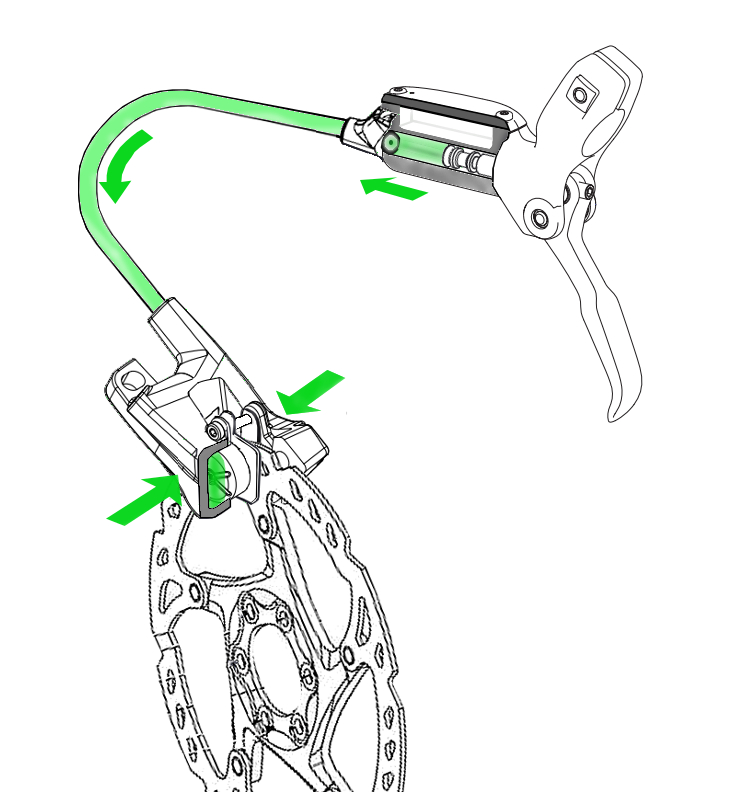
Hydraulic brakes use fluid to transfer force from the lever to the brake pads. When you pull the lever, fluid pressure pushes pistons, forcing pads against the rotor. This system offers stronger, more consistent braking with less effort.
Conclusion
Bicycle brakes help you stop safely and control your ride. They work by pressing pads against the wheel or disc. This creates friction and slows the bike down. Knowing how brakes work keeps you safer on the road. Check your brakes often to make sure they work well.
Good brakes mean better control and less risk of accidents. Riding with strong brakes feels more confident and fun. Keep your bike’s brakes clean and well-maintained for best results. Understanding brakes is key to enjoying every ride.