
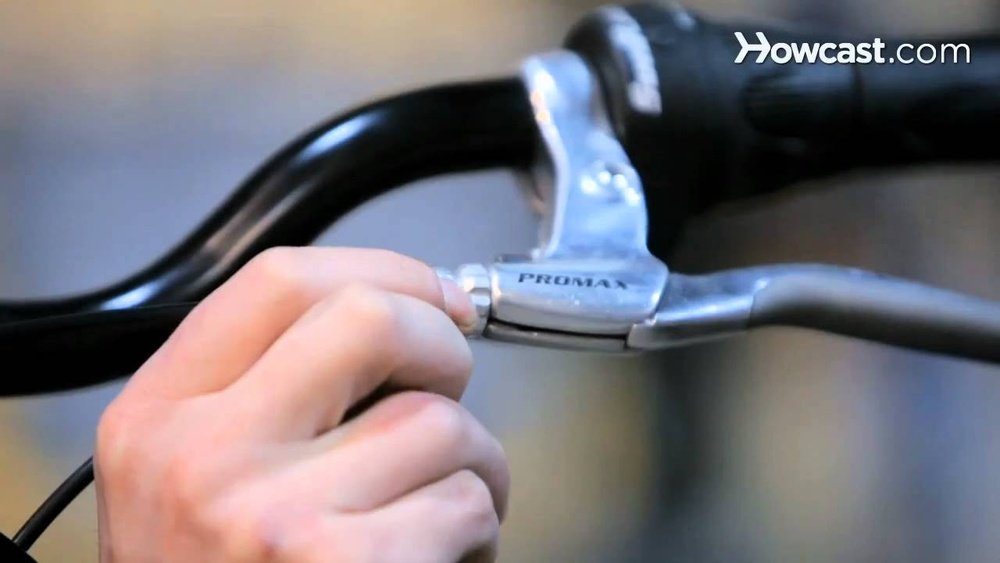
Have you ever felt your bike’s brakes pulling too hard or not stopping quickly enough? Knowing how to adjust brakes on a bicycle can save you from unexpected slips and keep you riding safely.
Imagine cruising down your favorite trail with brakes that respond just right—smooth, reliable, and ready when you need them. In this guide, you’ll discover simple steps to fine-tune your bike’s brakes yourself, even if you’ve never done it before. Keep reading, and you’ll gain the confidence to take control of your bike’s stopping power today.
Types Of Bicycle Brakes
Bicycles use different types of brakes to stop safely. Each brake type works in its own way. Knowing the main types helps you adjust brakes better. Here are the common types of bicycle brakes you will find.
Rim Brakes
Rim brakes press brake pads against the wheel rim. This slows the bike down by friction. They are light and easy to maintain. Most road bikes use rim brakes. Adjusting involves tightening or loosening the brake cable. Also, check if brake pads touch the rim evenly. Proper alignment gives smooth stopping power.
Disc Brakes
Disc brakes use a rotor attached to the wheel hub. Calipers squeeze the rotor to stop the bike. They work well in wet and muddy conditions. Mountain bikes often have disc brakes. Adjusting disc brakes means setting the caliper position and cable tension. It may need special tools for perfect setup.
Drum And Coaster Brakes
Drum brakes sit inside the wheel hub. They press brake shoes against the drum to stop. Coaster brakes work by pedaling backward to brake. Both need less frequent adjustments. Drum brakes adjust by tightening the brake arm or cable. Coaster brakes adjust inside the hub and may need a mechanic.
Tools Needed For Brake Adjustment
Adjusting bicycle brakes needs a few simple tools. Having the right tools makes the job faster and easier. These tools help you tighten bolts, cut cables, and keep parts moving smoothly. Here are the main tools you need for brake adjustment.
Allen Wrenches
Allen wrenches fit the hexagonal bolts on most bike brakes. They come in different sizes. Use them to loosen or tighten brake bolts. A set with multiple sizes is best for various brake types.
Screwdrivers
Screwdrivers adjust small screws on brake parts. A Phillips head screwdriver fits cross-shaped screws. A flathead screwdriver works for straight slots. Both types may be needed to fine-tune brake tension.
Cable Cutters
Cable cutters cleanly cut brake cables. Sharp cutters prevent frayed cable ends. Using the right tool makes cable changes easier and safer. Avoid using regular scissors or pliers.
Lubricants
Lubricants keep brake parts moving smoothly. Apply a small amount to pivot points and cables. This reduces friction and wear. Use bike-specific lubricants for best results.
Checking Brake Condition
Checking the brake condition is an important step before adjusting your bicycle brakes. It helps ensure safety and smooth stopping. Poor brake condition can cause accidents or damage. Regular inspection keeps your bike ready for the road. Below are key areas to check for brake condition.
Inspecting Brake Pads
Brake pads wear out over time and need regular checks. Look at the pad surface for cracks or uneven wear. Thin or hardened pads reduce braking power. Replace pads if they are less than 3mm thick. Clean pads if they have dirt or oil on them. Proper pads improve grip on the wheel rim or disc.
Examining Brake Cables
Cables connect the brake lever to the brake arms. Check cables for rust, fraying, or kinks. Damaged cables can snap or cause slow braking response. Pull the cable to see if it moves smoothly inside the housing. Lubricate cables if they feel stiff. Replace cables if they look worn or broken.
Assessing Brake Levers
Brake levers should move freely and return to their position easily. Check for cracks or loose parts on the lever. Press the lever to feel the resistance and stopping power. Loose levers reduce control and braking efficiency. Tighten any loose bolts or screws on the lever. Good levers help maintain safe brake performance.
Credit: blog.rodalink.com
Adjusting Rim Brakes
Adjusting rim brakes keeps your bike safe and responsive. Proper brake adjustment means better control and shorter stopping distance. Rim brakes use pads that press on the wheel rim to slow down. Regular checks prevent uneven wear and improve braking power.
Centering The Brake Calipers
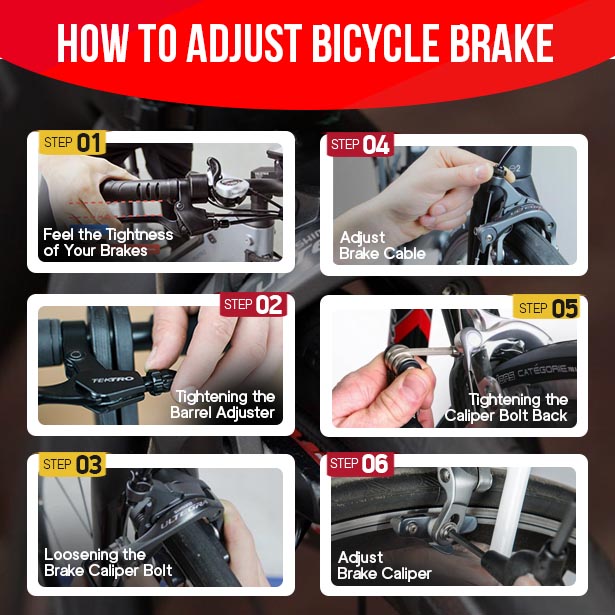
Start by checking if the brake calipers sit evenly over the wheel rim. Squeeze the brake lever and watch the pads. Both sides should move at the same time and distance. If one pad touches the rim before the other, the calipers need centering.
Loosen the caliper mounting bolt slightly. Move the calipers so the pads are equal distance from the rim. Tighten the bolt while holding the calipers in place. Test again to ensure even pad contact.
Aligning The Brake Pads
Brake pads must touch the rim flat, not the tire or spokes. Check the pad angle by looking from the side. The whole pad surface should meet the rim when the brakes engage.
Loosen the pad’s mounting bolt. Adjust the pad up or down to avoid rubbing the tire or spokes. Make sure the pad’s front edge touches the rim slightly before the back edge. This helps reduce noise and wear.
Tighten the bolt firmly and test the brakes.
Tightening Or Loosening Brake Cables
Brake cable tension controls how quickly the brakes respond. If the lever feels loose or the brakes don’t engage well, adjust the cable tension.
Use the barrel adjuster near the brake lever or caliper. Turn it counterclockwise to tighten the cable. Turn it clockwise to loosen the cable.
For bigger changes, loosen the cable bolt on the caliper. Pull the cable tighter or release some slack. Then tighten the bolt again. Test the brake lever for a firm, responsive feel.
Adjusting Disc Brakes
Disc brakes provide strong stopping power for bicycles. They work well in wet and muddy conditions. Adjusting disc brakes keeps your ride safe and smooth.
Proper adjustment prevents brake noise and uneven wear. It also ensures the brake pads touch the rotor correctly. This section explains how to adjust disc brakes step by step.
Aligning The Caliper
Start by loosening the caliper bolts slightly. Squeeze the brake lever to center the caliper on the rotor. Hold the lever and tighten the bolts carefully. Check if the rotor spins freely without rubbing. Adjust the caliper position if needed. This keeps the brakes quiet and effective.
Adjusting The Brake Pads
Look at the brake pads inside the caliper. They should be close but not touching the rotor. Use the pad adjustment screws to move them. Ensure both pads touch the rotor evenly when you brake. Pads too far reduce braking power. Pads too close cause rubbing and noise.
Bleeding Hydraulic Brakes
Hydraulic brakes use fluid to work smoothly. Air bubbles can reduce brake performance. Bleeding removes air from the brake lines. Use a bleed kit specific to your brake model. Follow the instructions carefully for safety. Regular bleeding keeps brakes responsive and reliable.

Credit: www.wikihow.com
Testing Brake Performance
Testing brake performance is a key step after adjusting your bicycle brakes. It ensures your brakes work safely and effectively. Proper testing helps find any issues early. This way, you can fix problems before riding on busy roads or trails.
Brake Lever Feel
Check how the brake lever feels when you squeeze it. It should move smoothly without sticking. The lever must not touch the handlebar fully. A soft or spongy feel means air may be in the brake line. A very hard lever means the brakes might be too tight.
Stopping Distance
Test the brakes by riding slowly and pressing them firmly. Notice how far your bike takes to stop. Good brakes stop the bike quickly and smoothly. If stopping distance is long, adjust the brake pads or cables. Always test on a safe, flat surface.
Noise And Vibration Check
Listen for any squeaks or rubbing sounds when braking. Noise can mean the pads need cleaning or realigning. Feel for vibrations through the brake lever or handlebars. Vibrations might show uneven pad contact or worn parts. Fix noises and vibrations for safe and quiet rides.
Maintaining Brake System
Maintaining your bicycle’s brake system keeps you safe and riding smoothly. Regular care prevents brake failure and costly repairs. Small tasks can extend the life of your brakes and improve stopping power.
Regular Cleaning
Dirt and grime build up on brake parts quickly. Clean the brake pads and rims or rotors often. Use a soft brush or cloth to remove dust. Avoid oily cleaners that can reduce brake grip. Clean brakes work better and last longer.
Replacing Worn Parts
Brake pads wear down with use. Check them for thin or uneven wear regularly. Replace pads if they look too thin or cracked. Also, inspect brake cables and housing for rust or fraying. New parts keep brakes responsive and safe.
Lubricating Moving Components
Brake levers and pivots need light lubrication. Use a small amount of bike-specific oil on moving parts. Avoid getting oil on brake pads or rims. Lubrication reduces friction and keeps brakes working smoothly. Check and apply oil every few months.

Credit: www.youtube.com
Frequently Asked Questions
How Often Should I Adjust Bicycle Brakes?
You should check and adjust your brakes every few months or after heavy use. Regular adjustments keep braking safe and efficient.
What Tools Do I Need To Adjust Bike Brakes?
Common tools include a 5mm Allen wrench, screwdriver, and sometimes pliers. These help tighten cables and align brake pads properly.
How Tight Should Bicycle Brake Cables Be?
Brake cables should be tight enough to engage brakes firmly but allow wheel rotation. Proper tension ensures responsive and smooth braking.
Can I Adjust Brakes Without Removing Wheels?
Yes, you can adjust brakes with wheels on. Loosen brake arms slightly, align pads, and retighten to achieve proper brake pad contact.
Conclusion
Adjusting bicycle brakes keeps your rides safe and smooth. Check brake pads often to avoid wear and tear. Tighten cables carefully for better stopping power. Test your brakes before every ride to ensure they work well. Small fixes save big problems later.
Practice makes the process easier and quicker. Enjoy riding with confidence and control every time.