
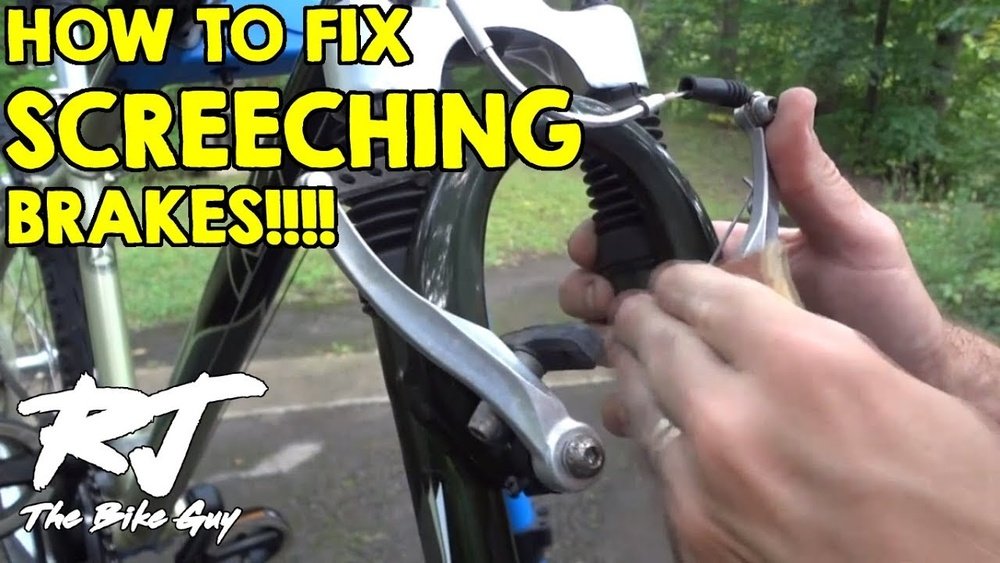
Are your bicycle brakes making an annoying squeaky sound every time you ride? That high-pitched noise can be distracting and even make you question if your bike is safe to use.
The good news is, you don’t have to live with squeaky brakes or rush to a mechanic. You can fix this common problem yourself with a few simple steps. Keep reading to discover easy ways to stop that squeal and enjoy a smooth, quiet ride every time you hit the road.
Your bike—and your ears—will thank you!
Causes Of Squeaky Bicycle Brakes
Squeaky brakes on a bicycle can be annoying and distracting. This noise often signals a problem that needs fixing. Understanding the common causes helps you stop the squeak fast. Let’s explore the main reasons why bicycle brakes make noise.
Worn Brake Pads
Brake pads wear down with use. Thin or damaged pads can cause squeaking sounds. Worn pads lose grip and fail to stop the bike properly. Replacing old pads often solves the noise problem.
Dirty Or Contaminated Pads
Dirt, oil, or grease on brake pads causes loud squeaks. Contaminated pads slip against the rim or disc. Cleaning the pads and the braking surface removes grime and reduces noise.
Misaligned Brakes
Brakes that do not line up correctly create friction and noise. Misalignment causes uneven contact with the wheel. Adjusting the brake position stops the squeak and improves performance.
Glazed Brake Surfaces
Brake pads or rims can become glazed from heat and friction. This smooth, hard surface reduces braking power and makes noise. Light sanding restores a rough surface and quiets the brakes.
Loose Brake Components
Loose bolts or parts cause vibration and squeaking sounds. Check all brake fasteners and tighten them securely. Properly tightened components prevent noise and ensure safety.
Tools And Materials Needed
Fixing squeaky brakes on a bicycle requires the right tools and materials. Having these ready makes the repair smooth and fast. It also helps you avoid mistakes and saves time. Below are the key items you will need.
Basic Repair Tools
A set of basic tools is essential for brake repair. You need a wrench to loosen bolts and nuts. Screwdrivers help adjust brake pads and cables. Allen keys are useful for many bike parts. A bike stand or a stable surface keeps your bike steady during work.
Cleaning Supplies
Clean brakes stop squeaks better. Use a soft cloth or brush to clean dirt and dust. Rubbing alcohol or a bike-specific cleaner removes oil and grime. Avoid harsh chemicals that can damage brake parts. Clean parts help brakes grip properly and work quietly.
Replacement Parts
Old or worn parts cause brake noise. New brake pads are often needed to fix squeaks. Look for pads that fit your bike model. Sometimes, you may need new cables or springs. Having spare parts on hand speeds up the repair process.
Inspecting Brake Pads And Rims
Inspecting the brake pads and rims is a key step to fix squeaky bicycle brakes. These parts often cause noise and reduce braking power. Careful inspection helps spot problems early. It also guides you on what to clean or replace.
Checking Pad Wear
Look closely at the brake pads. Check if they are thin or uneven. Worn pads can cause squeaks and poor stopping. Replace pads if the grooves are gone or the pads are less than 3 mm thick. Also, make sure pads hit the rim squarely, not the tire or air.
Examining Rim Condition
Inspect the wheel rims where the brake pads touch. Rims should be clean and smooth. Rough or damaged rims cause noise and poor grip. Use a cloth to wipe dirt or grime. Look for deep scratches or dents. Replace the rim if damage is severe.
Identifying Contamination
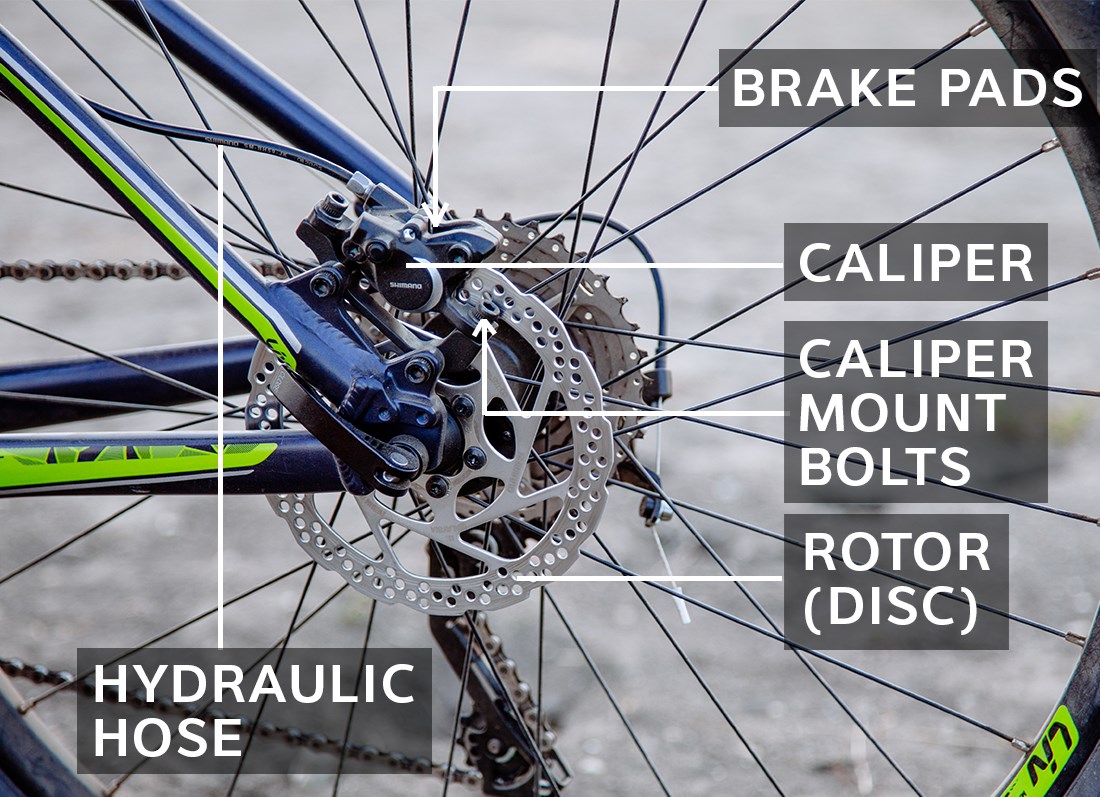
Contamination means oil, grease, or dirt on pads or rims. Contaminants make brakes noisy and weak. Clean rims and pads with rubbing alcohol or special brake cleaner. Avoid touching brake surfaces with oily hands. Repeat cleaning if noise persists.
Credit: www.liv-cycling.com
Cleaning Brake Components
Cleaning the brake components is a key step to stop squeaky bicycle brakes. Dirt and grime build-up cause noise and reduce brake power. Keeping parts clean helps brakes work smoothly and last longer. Follow these simple steps to clean your brakes properly.
Removing Dirt And Debris
Start by wiping the brake parts with a dry cloth. Remove dust, mud, and small stones stuck around the brake pads and rims. Use a soft brush to reach tight spots. Clean surfaces free of dirt to avoid noise and wear.
Using Isopropyl Alcohol
Isopropyl alcohol removes grease and oils from brake parts. Dampen a clean cloth with alcohol and gently wipe the brake pads and rims. This clears away oily residues that cause squeaking. Let the parts dry completely before testing the brakes.
Cleaning Brake Pads And Rims
Brake pads and rims must be clean for good grip. Use sandpaper lightly on brake pads to remove glaze. Wipe rims with a cloth soaked in mild soap and water. Dry both parts fully to prevent rust and noise. Clean components help brakes stop your bike safely and quietly.
Adjusting Brake Alignment
Adjusting brake alignment is key to stopping squeaky brakes on your bicycle. Proper alignment ensures the brake pads touch the rim correctly. This reduces noise and improves brake performance. Small tweaks can make a big difference in how your brakes work.
Centering Brake Calipers
Start by checking if the brake calipers are centered over the wheel. They should sit evenly on both sides of the rim. Use a screwdriver or Allen key to loosen the mounting bolt slightly. Move the calipers until they are centered, then tighten the bolt. This step helps the pads press evenly on the rim.
Aligning Pads With Rims
Brake pads must hit the rim flat and fully. Position them so they contact the rim surface only, not the tire. Loosen the pad mounting bolt enough to adjust the angle. Align the pad so it sits flush and parallel to the rim. Tighten the bolt firmly to hold the pad in place.
Tightening Bolts And Screws
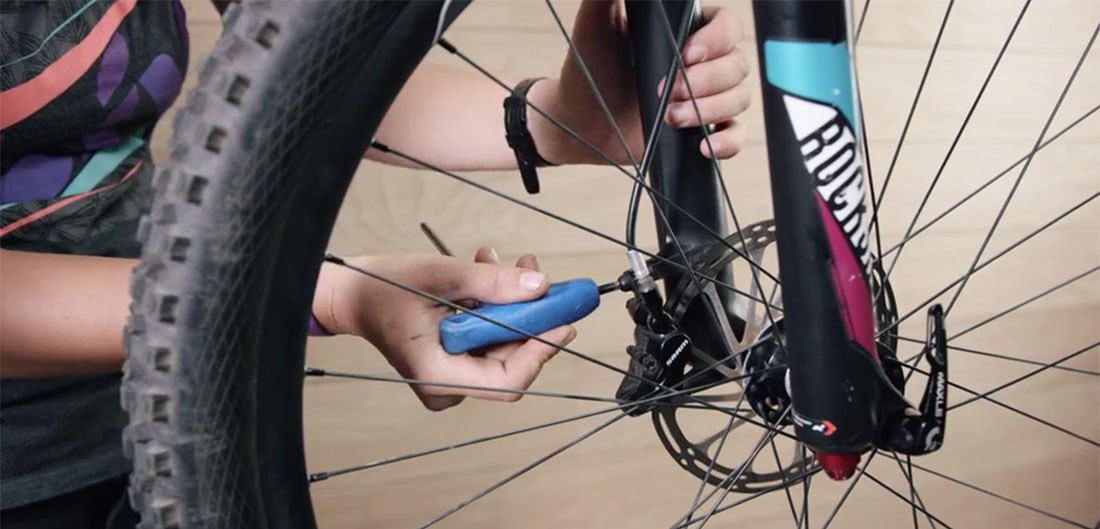
Loose bolts can cause brake noise and poor function. Check all bolts and screws on your brake system. Use the right tools to tighten them securely but do not over-tighten. Ensure the calipers, pads, and mounting bolts are firmly fixed. Proper tightening keeps everything stable and quiet.
Credit: www.liv-cycling.com
Replacing Brake Pads
Replacing brake pads is a key step in fixing squeaky brakes on your bicycle. Worn-out pads cause noise and reduce braking power. Changing them restores smooth, quiet stops. This process is simple and saves money over buying new brakes.
Choosing Compatible Pads
Select brake pads that fit your bike’s brake type. Check the size and style of your current pads. Use pads made for either rim brakes or disc brakes. Matching the pad material helps avoid noise and improves performance.
Removing Old Pads
Loosen the bolt or clip holding the brake pads. Slide the old pads out carefully to avoid damaging the brake arms. Clean the brake surface to remove dirt and debris. This prepares the brakes for the new pads.
Installing New Pads
Insert the new brake pads into the brake arms. Align them with the rim or rotor surface properly. Tighten the bolt or clip to secure the pads firmly. Test your brakes by squeezing the lever and adjusting if needed.
Breaking In New Brake Pads
Breaking in new brake pads is important for smooth and quiet braking. New pads have a rough surface that needs to wear down slightly. This process helps the pads fit the rim or rotor perfectly. Proper break-in reduces noise and improves stopping power. Take your time during this step for the best results.
Initial Braking Technique
Start by riding at a slow speed. Gently squeeze the brake lever several times. Avoid hard or sudden stops. This lets the pads slowly touch the rim or rotor. Gradually increase braking force over a few minutes. This method helps the pads wear evenly and smoothly.
Avoiding Excessive Heat
Do not brake hard repeatedly in a short time. Excess heat can damage new pads and rims. Heat causes noise and reduces brake life. Give brakes time to cool between stops. Cool brakes last longer and work better.
Ensuring Optimal Performance
Test your brakes on a safe path. Check for any squeaks or vibrations. If noise appears, repeat gentle braking steps. Clean the rims or rotors if needed. Properly broken-in pads give strong, quiet stops every time.
Preventive Maintenance Tips
Preventive maintenance helps keep your bike brakes quiet and safe. Small steps can stop squeaks before they start. Regular care also extends the life of your brake parts. Follow simple tips to keep your brakes smooth and silent.
Regular Cleaning Schedule
Clean your brakes often to remove dirt and grime. Use a soft cloth and mild soap with water. Avoid harsh chemicals that can damage brake pads. Dry the brakes well after cleaning to prevent rust. A clean brake surface grips better and stops noise.
Checking Brake Components
Look over brake pads, cables, and rims regularly. Replace worn-out pads to avoid metal rubbing on metal. Tighten loose bolts and nuts to keep brakes steady. Check cables for frays or rust and replace if needed. Well-maintained parts work quietly and efficiently.
Proper Storage Practices
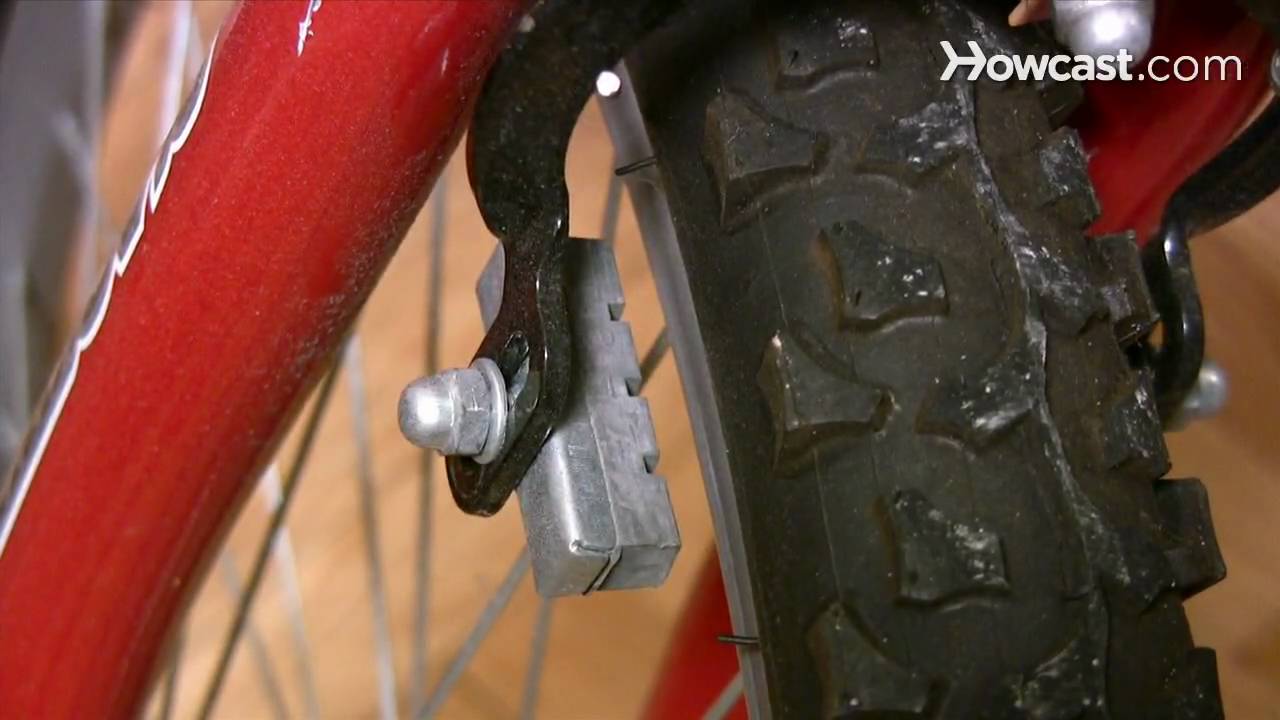
Store your bike in a dry place to prevent moisture buildup. Avoid leaving your bike outside in rain or snow. Keep brakes away from oily or greasy surfaces. Use a bike cover if storing outdoors for short times. Proper storage stops rust and brake noise before it starts.
Credit: www.youtube.com
Frequently Asked Questions
Why Are My Bicycle Brakes Squeaking?
Squeaky bicycle brakes usually result from dirt, moisture, or worn brake pads. Cleaning the rims and pads often stops the noise. Properly aligning the brake pads also helps prevent squeaking.
How Can I Stop Brake Noise Effectively?
To stop brake noise, clean the brake pads and rims with rubbing alcohol. Adjust the brake pads to avoid rubbing the tire. Lubricate brake pivots but avoid the braking surface.
What Tools Do I Need To Fix Squeaky Brakes?
Basic tools include a bike stand, Allen keys, rubbing alcohol, clean rags, and sandpaper. These help clean, adjust, and lightly sand brake pads for noise reduction.
When Should I Replace Bicycle Brake Pads?
Replace brake pads when they are worn down to the wear line or less than 3mm thick. Worn pads cause poor braking and increase noise.
Conclusion
Fixing squeaky bicycle brakes is simple with regular care. Clean the brake pads and rims to remove dirt. Check for worn parts and replace if needed. Adjust the brake alignment for smooth contact. Test your brakes after each fix to ensure safety.
Quiet brakes make your ride more enjoyable and safe. Keep your bike in good shape to avoid noise and wear. Small steps prevent big problems later. You can enjoy every ride without annoying squeaks.