
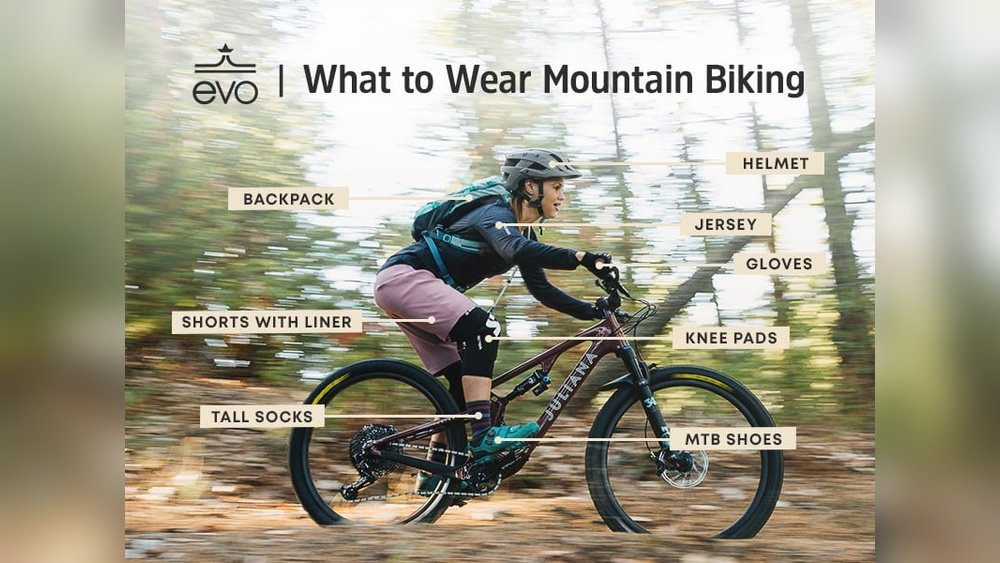
Getting ready for mountain biking? What you wear can make a huge difference in your ride.
The right gear keeps you comfortable, safe, and ready to tackle any trail. Choosing the wrong clothes? You might end up sweaty, scratched, or worse. In this guide, you’ll discover exactly what to wear mountain biking to boost your performance and enjoy every moment on the trail.
Keep reading—you don’t want to miss these simple tips that can transform your biking experience.

Credit: www.youtube.com
Choosing The Right Helmet
Choosing the right helmet is key for mountain biking safety and comfort. A helmet protects your head from impacts. It also helps you ride longer without pain. Picking the best helmet depends on your style, fit, and safety needs.
Types Of Mountain Biking Helmets
Full-face helmets cover the entire head and face. They are best for downhill riding and rough trails. Half-shell helmets cover the top and sides of the head. These are lighter and good for cross-country rides. Some helmets have removable chin guards for more flexibility. Choose the type that matches your riding style and trail difficulty.
Fit And Comfort Tips
The helmet must fit snugly but not too tight. It should sit level on your head, not tilted. Adjust the straps to hold the helmet firmly in place. Check that the padding feels soft and supports your head well. A comfortable helmet stops you from touching it while riding. Try several helmets to find the best fit for your shape.
Safety Features To Look For
Look for helmets with MIPS or similar technology. This reduces brain injury in certain crashes. Check for helmets that meet safety standards like CPSC or ASTM. Ventilation holes keep your head cool during rides. Reflective stickers or bright colors improve visibility on trails. A good helmet combines strong protection with comfort features.
Essential Clothing Layers
Mountain biking requires smart clothing choices. Dressing in layers helps you stay comfortable and safe. You can adjust what you wear as the weather changes. Each layer has a special job. Wearing the right layers keeps you dry, warm, and protected.
Base Layers For Moisture Management
Base layers sit next to your skin. They pull sweat away to keep you dry. Choose materials like polyester or merino wool. Avoid cotton because it holds moisture. A good base layer helps prevent chills. It also reduces skin irritation during long rides.
Insulating Layers For Cooler Weather
Insulating layers trap body heat. They keep you warm when the temperature drops. Fleece and lightweight down jackets work well. Pick layers that are breathable so sweat can escape. You want warmth without overheating. Use this layer on chilly mornings or high altitudes.
Outer Layers For Wind And Rain Protection
Outer layers shield you from wind and rain. Look for waterproof and windproof jackets. Softshell or hardshell materials are best. Make sure the jacket is light and breathable. This layer keeps you dry and blocks cold wind. It also protects against sudden weather changes.
Shorts And Pants Options
Choosing the right shorts and pants is key for a good mountain biking trip. The right clothes keep you safe, comfortable, and able to move freely. Different rides and weather need different gear. Here are some top options to consider for your next ride.
Padded Shorts For Comfort
Padded shorts add extra comfort on long rides. The padding cushions your seat and reduces soreness. They fit close to your skin to avoid chafing. Many riders wear padded shorts under loose shorts for style and protection. These shorts dry quickly and keep you cool. They are perfect for trail rides and all-day adventures.
Durable Pants For Protection
Durable pants protect your legs from branches and rocks. They are made of strong fabric that resists tears. Many pants have reinforced areas on the knees and seat. These pants are great for rough trails and cooler weather. Look for pants that breathe well to avoid overheating. They give good coverage and keep you safe.
Choosing Between Loose And Tight Fits
Tight fits offer better control and less fabric to catch on branches. They are ideal for fast, technical rides. Loose fits give more freedom to move and better airflow. Many riders prefer loose shorts over padded shorts. The choice depends on your style and the type of ride. Try both to see what feels best on the trail.
Gloves For Grip And Protection
Gloves play a key role in mountain biking. They help you hold the handlebars firmly and protect your hands from injuries. Good gloves improve your grip, reduce hand fatigue, and shield you from cuts and scrapes. Choosing the right gloves keeps you safe and comfortable on rough trails.
Full-finger Vs Half-finger Gloves
Full-finger gloves cover your entire hand. They offer more protection from branches, rocks, and falls. These gloves keep your fingers warm in cold weather. Half-finger gloves expose your fingertips. They allow better touch and control for braking and shifting. Half-finger gloves work well in hot weather. Pick gloves based on trail conditions and personal comfort.
Materials And Padding
Gloves come in different materials. Look for breathable fabrics like mesh to keep hands dry. Some gloves use synthetic leather for durability and grip. Padding is important to absorb shock and reduce vibrations. Gel padding is soft and helps prevent numbness. Thin padding offers more feel but less protection. Choose padding based on your riding style and trail roughness.
When To Replace Your Gloves
Replace gloves when they show wear and tear. Look for holes, thinning fabric, or lost grip. Worn-out gloves lose protection and comfort. If padding feels flat or hard, it’s time for new gloves. Regular replacement keeps your hands safe. Check gloves often and keep them in good shape.
Footwear Essentials
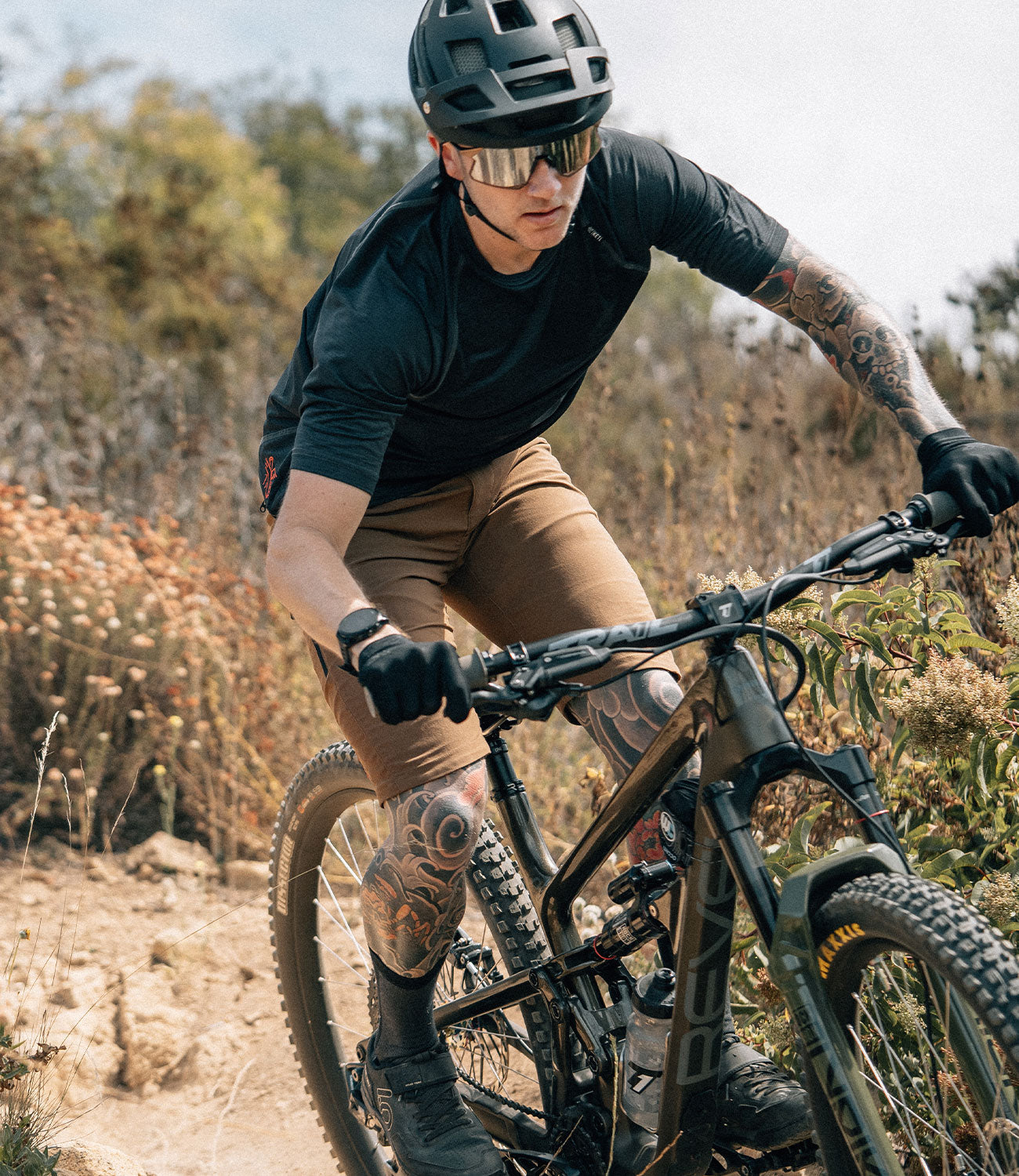
Choosing the right shoes is key for mountain biking. Good footwear protects your feet and helps you ride better. Shoes must fit well, offer grip, and match your bike’s pedals. Let’s explore what makes the perfect mountain biking shoe.
Types Of Mountain Biking Shoes
There are mainly two types of mountain biking shoes: clipless and flat. Clipless shoes attach to special pedals for better control. Flat shoes have sticky soles for grip on flat pedals. Each type suits different riding styles and skills.
Sole Grip And Pedal Compatibility
Shoes need soles that grip the pedals firmly. Clipless shoes have cleats that lock into pedals. Flat shoes use rubber soles with good traction. Check if the shoe sole fits your pedal type before buying.
Comfort And Breathability
Comfort is vital for long rides. Shoes should fit snugly but not too tight. Breathable materials keep feet cool and dry. Padded insoles reduce pressure and protect your feet on rough trails.
Credit: dotdecimal.com
Protective Gear Beyond Clothing
Protective gear goes beyond just clothing when mountain biking. It helps keep you safe from falls and rough trails. Wearing the right gear reduces injuries and boosts your confidence on the bike.
Some gear protects your joints and body, while other items shield your eyes. Choosing the right protective equipment makes your ride safer and more comfortable.
Knee And Elbow Pads
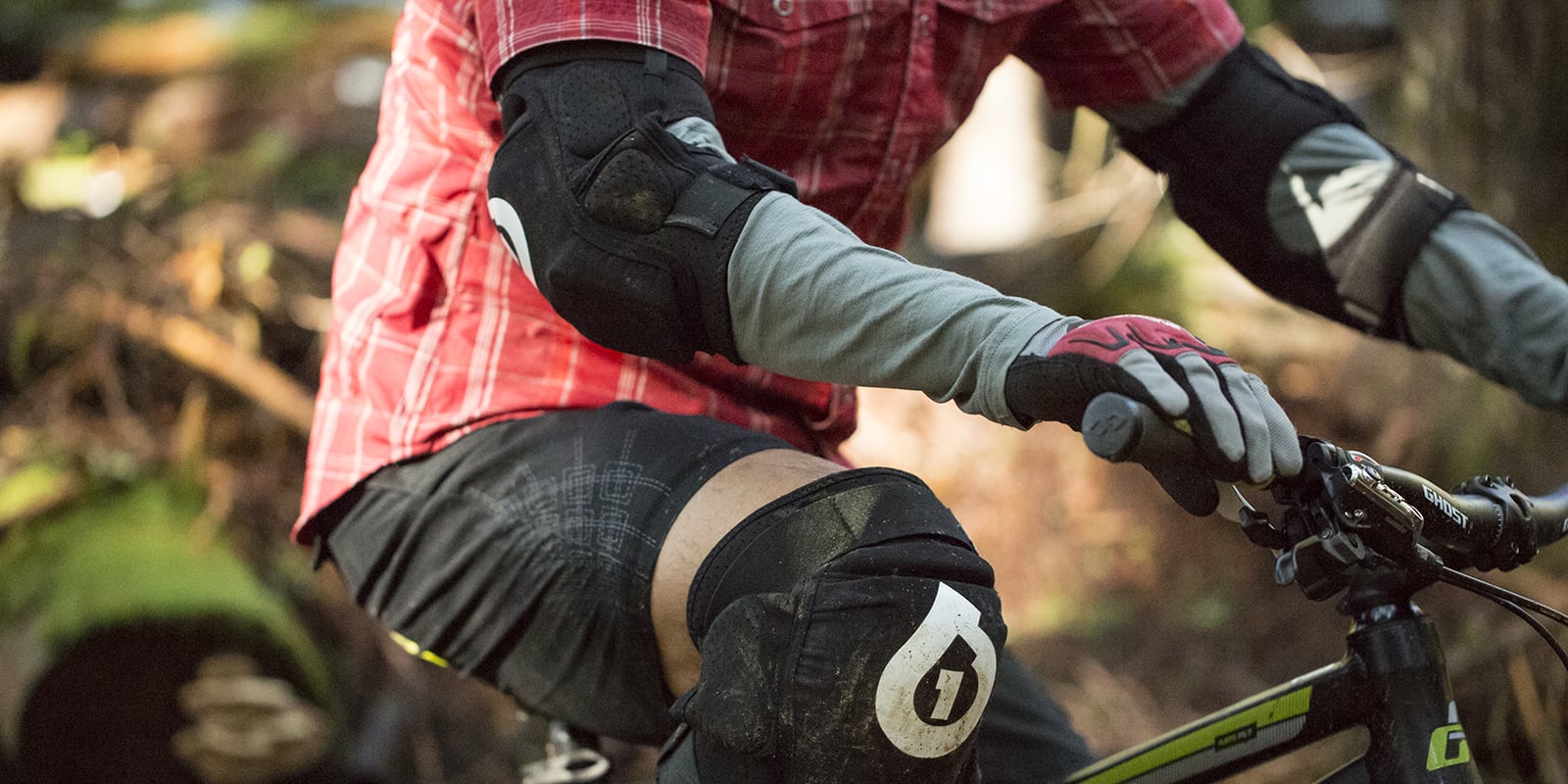
Knee and elbow pads protect your joints during falls. They absorb shocks and prevent cuts and bruises. Choose pads with good padding and a snug fit. Lightweight pads allow easy movement without feeling bulky. Durable materials last longer on tough trails. Pads with ventilation keep your skin cool and dry.
Body Armor Options
Body armor protects your chest, back, and shoulders. It guards against impacts from crashes or flying debris. Some armor is soft and flexible, fitting like a second skin. Others have hard shells for extra protection in risky rides. Look for armor with adjustable straps for a secure fit. Breathable fabrics improve comfort during long rides.
Eye Protection With Goggles And Glasses
Eye protection is essential against dust, dirt, and branches. Goggles offer full coverage and stay secure on rough trails. Glasses are lighter and more versatile for different conditions. Choose lenses that block UV rays and improve visibility. Anti-fog coatings help keep your view clear. Proper eye protection prevents injuries and helps you see better.
Weather-specific Clothing Tips
Mountain biking demands the right clothes for different weather. Dressing correctly keeps you safe and comfortable. Weather-specific clothing helps you enjoy every ride. Choose fabrics and layers that suit the climate. Stay dry, warm, or cool depending on the conditions. Here are tips for various weather situations.
Dressing For Hot Weather Rides
Wear lightweight, breathable clothes that allow air flow. Choose moisture-wicking fabrics to keep sweat away from skin. Light colors reflect sunlight and keep you cool. Use a helmet with good ventilation. Avoid cotton; it traps sweat and feels heavy. Wear sunglasses to protect your eyes from sun and dust.
Staying Warm In Cold Conditions
Layer your clothes to trap heat and stay warm. Start with a thermal base layer that fits snugly. Add an insulating layer like fleece or wool. Use a windproof and water-resistant outer layer. Wear gloves and a hat or headband under your helmet. Avoid heavy clothes that limit movement on the bike.
Handling Wet And Muddy Trails
Choose waterproof or water-resistant outerwear to stay dry. Use quick-drying fabrics to avoid discomfort from wet clothes. Wear full-finger gloves with good grip for slippery conditions. Pick sturdy shoes with good traction and drainage. Protect your eyes with clear or light-tinted glasses. Mudguards help keep mud off your clothes and bike.
Packing Extras For Longer Rides
Packing the right extras makes longer mountain bike rides safer and more comfortable. It helps you stay ready for changes in weather, road troubles, or sudden needs. Carrying a few key items can keep you going strong without stopping too often. Choose gear that fits well and does not slow you down. Here is what to include in your pack for longer rides.
Hydration Packs And Storage
Hydration packs let you drink water while riding. This keeps you hydrated without stopping. Look for packs with enough space for water and small items. Pockets help organize snacks, keys, and tools. A good hydration pack balances weight and comfort on your back. Easy access to water encourages regular drinking, which is important on tough trails.
Layering For Changing Conditions
Weather can change fast on mountain trails. Carry layers to adjust to cold or heat. Start with a light, breathable base layer to manage sweat. Add a windbreaker or rain jacket for protection. Keep a warm layer for cooling evenings or high altitudes. Pack layers in a way that you can add or remove quickly.
Emergency And Repair Essentials
Bring tools and supplies to fix common bike problems. Include a spare tube, tire levers, and a pump. A multi-tool with screwdrivers and wrenches is useful. Carry a small first aid kit for minor injuries. Add a whistle or phone for emergencies. Being prepared helps you solve issues without waiting for help.
Credit: www.rei.com
Frequently Asked Questions
What Clothing Is Best For Mountain Biking Comfort?
Choose moisture-wicking, breathable fabrics like polyester or nylon for comfort. Avoid cotton as it retains sweat and causes chafing. Layer clothing for temperature control. Padded shorts improve comfort on long rides. Durable, flexible clothing allows freedom of movement and protects against scrapes.
Should I Wear Protective Gear While Mountain Biking?
Yes, always wear a helmet to protect your head. Gloves improve grip and protect hands from blisters and falls. Consider knee and elbow pads for extra safety on rough trails. Protective gear reduces injury risk and boosts confidence when riding challenging terrain.
What Type Of Shoes Are Ideal For Mountain Biking?
Wear sturdy, closed-toe shoes with good grip. Flat pedal shoes or clipless cycling shoes enhance control and power transfer. Avoid running shoes as they lack proper support and traction. Proper shoes improve safety and performance on varied trail surfaces.
How To Dress For Changing Mountain Biking Weather?
Layer your clothing to adjust easily to weather changes. Use a lightweight, waterproof jacket for rain protection. Base layers should wick moisture to keep you dry. Carry extra gloves and socks in case of wet conditions. Proper layering keeps you comfortable and safe.
Conclusion
Choosing the right clothes makes mountain biking safer and more fun. Wear layers to stay warm or cool as needed. Pick durable shorts and breathable shirts for comfort. Don’t forget a helmet and gloves to protect yourself. Good shoes help you pedal better and avoid slips.
Dress for the weather and trail conditions. This simple gear keeps you ready for any ride. Enjoy your mountain biking with the right outfit every time.