
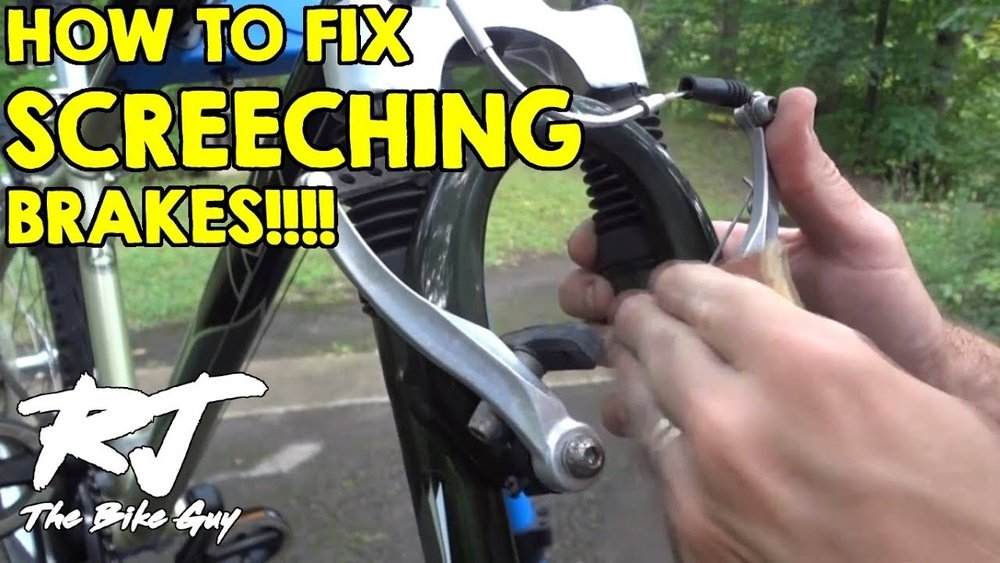
Have you ever been out for a ride when suddenly your bicycle brakes start to squeal? That sharp, annoying sound can be frustrating and even make you question if your bike is safe to use.
But why do your bicycle brakes squeal in the first place? Understanding the cause can help you fix the problem quickly and keep your rides smooth and quiet. You’ll discover the common reasons behind brake noise and simple tips to stop that squeal for good.
Keep reading—your ears and your bike will thank you!
Causes Of Brake Squeal
Bicycle brake squeal can be annoying and distracting. It often signals an issue with the brake system. Understanding the causes helps fix the problem quickly. Several factors can lead to this unpleasant noise. Each plays a role in how brakes perform and sound.
Pad Material And Composition
Brake pads come in different materials like organic, metallic, and ceramic. Some materials create more noise than others. Harder pads tend to squeal more. Softer pads usually make less noise but wear faster. Choosing the right pad material affects brake sound and performance.
Contamination On Brake Surfaces
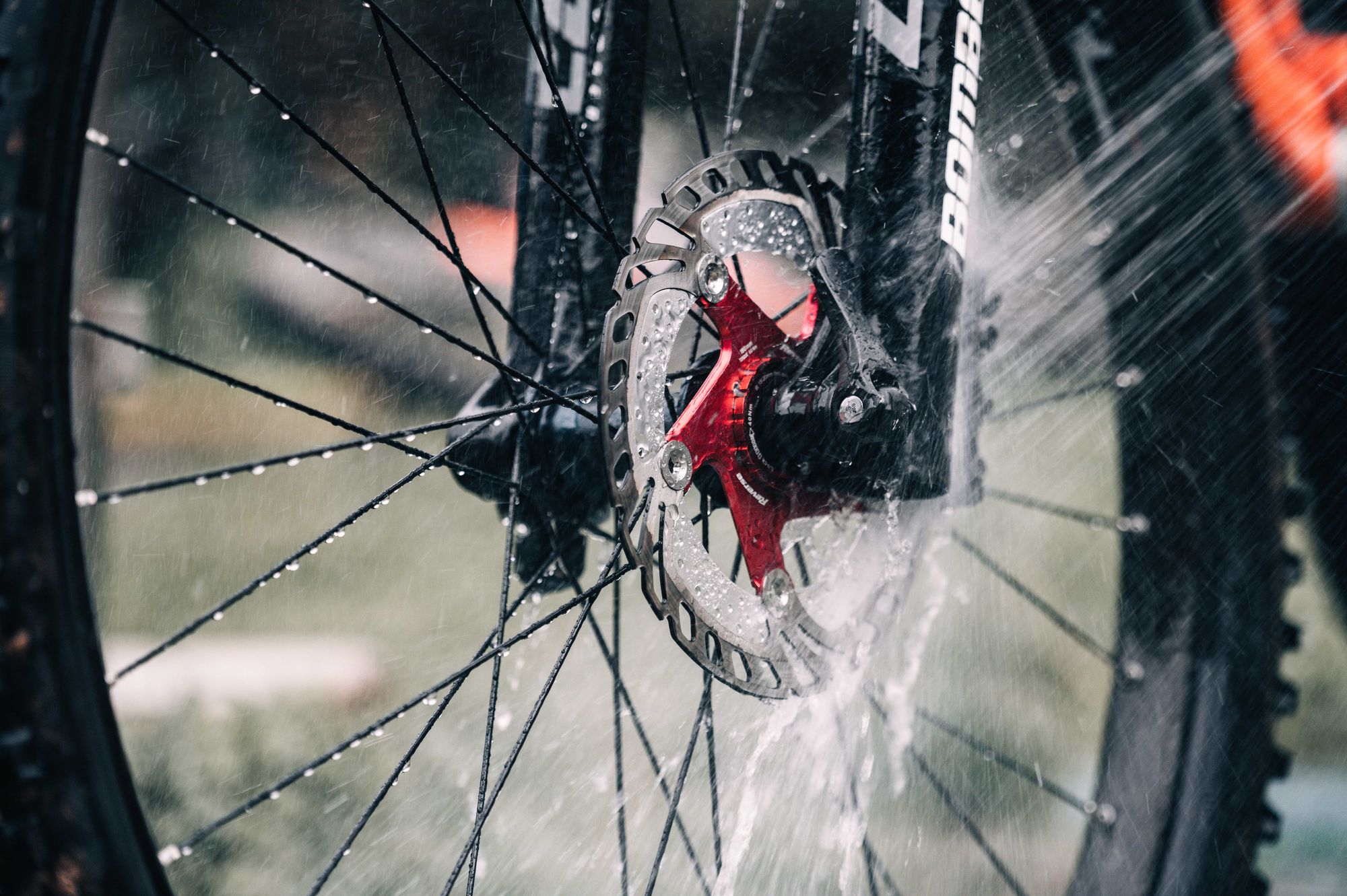
Dirt, oil, or grease on pads or rotors causes squealing. Contaminants reduce friction and create noise. Riding through mud or touching pads with oily hands can cause contamination. Cleaning the brake parts often stops the squeal and improves braking.
Improper Alignment
Misaligned brake pads or calipers cause uneven contact. This uneven contact leads to vibrations and noise. Correct alignment ensures pads hit the rotor evenly. Adjusting the brake alignment often stops the squeal quickly.
Worn Or Glazed Pads
Old pads can become hard and shiny, called glazing. Glazed pads lose grip and make squealing sounds. Worn pads are thinner and less effective. Replacing worn or glazed pads restores smooth braking and reduces noise.
Rotor Issues
Warped or dirty rotors also cause brake noise. Warping makes the rotor uneven, creating vibrations. Dirt or rust reduces smooth contact with pads. Regularly inspecting and cleaning rotors prevents squealing and maintains safety.
Credit: www.cyclingweekly.com
Types Of Bicycle Brakes
Bicycles use different types of brakes to stop safely. Each type works in its own way. Knowing the brake type helps understand why brakes might squeal. Some brakes touch the wheel rim, others use discs, and some have internal parts. Let’s explore the main types of bicycle brakes.
Rim Brakes
Rim brakes press pads against the wheel rim to slow down. They are common on many road and mountain bikes. Dirt or wet conditions can cause squealing sounds. The brake pads wear over time and may need cleaning or replacing. Rim brakes are simple but can be noisy if not maintained.
Disc Brakes
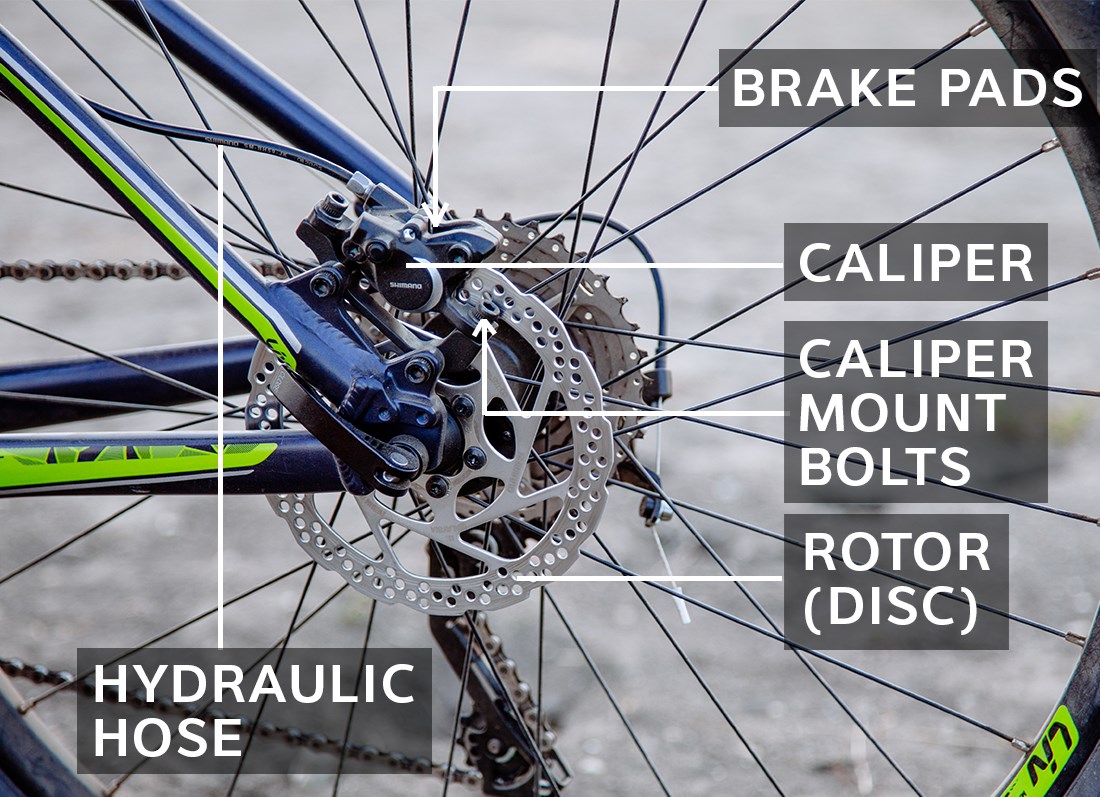
Disc brakes use a rotor attached to the wheel hub. Pads squeeze the rotor to stop the bike. These brakes work well in wet or muddy conditions. Squealing can happen if the rotor or pads are dirty. Proper cleaning and pad alignment reduce noise. Disc brakes offer strong stopping power and better control.
Drum Brakes
Drum brakes have pads inside a drum on the wheel hub. They press outward to create friction and stop the bike. Drum brakes are rare but very quiet. They need less maintenance and work well in all weather. Squealing is less common but can happen if parts wear out. Drum brakes last long and protect from dirt.
Effects Of Weather And Riding Conditions
Weather and riding conditions play a big role in how bicycle brakes perform. Changes in moisture, dirt, and temperature can cause brakes to squeal. Understanding these effects helps keep your bike safe and quiet.
Wet And Muddy Conditions
Rain and mud make brake parts slippery. Water on the brake pads and rims reduces friction. This causes brakes to slip and create a high-pitched noise. Mud can stick to the brake pads and rims. It acts like sandpaper and wears down the brake surface. Wet conditions also lead to rust on metal parts, which adds to the squealing sound.
Dust And Dirt Accumulation
Dust and dirt build up on brake pads and rims during rides. These tiny particles create rough surfaces. When brakes press on these rough spots, they produce squeals. Dirt can also clog brake mechanisms. This reduces brake effectiveness and causes noise. Cleaning brakes regularly removes dirt and cuts down squealing.
Preventing Brake Squeal
Brake squeal can be annoying and distracting during rides. It also signals that your brakes need care. Preventing brake squeal helps keep your bike safe and quiet. Simple steps can reduce or stop the noise.
Regular attention to your brakes improves their performance and lifespan. Follow these key tips to prevent brake squeal and enjoy smoother rides.
Regular Cleaning And Maintenance
Dirt and grime build-up cause brakes to squeal. Clean the brake pads and rims often. Use a soft brush and mild soap. Avoid oily or greasy cleaners. Check for wear and replace parts if needed. Clean brakes work quietly and safely.
Proper Installation And Adjustment
Incorrect brake installation leads to noise issues. Align brake pads so they touch the rim evenly. Pads should hit the rim squarely, not at an angle. Adjust the brake cables to keep the right tension. Proper setup reduces vibration and squeal.
Choosing The Right Brake Pads
Select brake pads made for your bike type. Some pads work better on wet or dry surfaces. Softer pads tend to make less noise. Hard pads may last longer but can squeal more. Match pads to your riding style and conditions.
Bed-in Procedures
New brake pads need a bed-in process. This means gradually wearing them in to match the rim. Ride gently and brake lightly at first. Repeat this several times to create a good surface contact. Proper bed-in reduces noise and improves braking power.
Fixing Squealing Brakes
Squealing brakes can be very annoying and distracting. Fixing them is not always hard. Small adjustments can stop the noise and improve safety. This section explains simple ways to fix squealing brakes on your bike. Follow these tips step by step to get quieter brakes.
Truing The Rotor
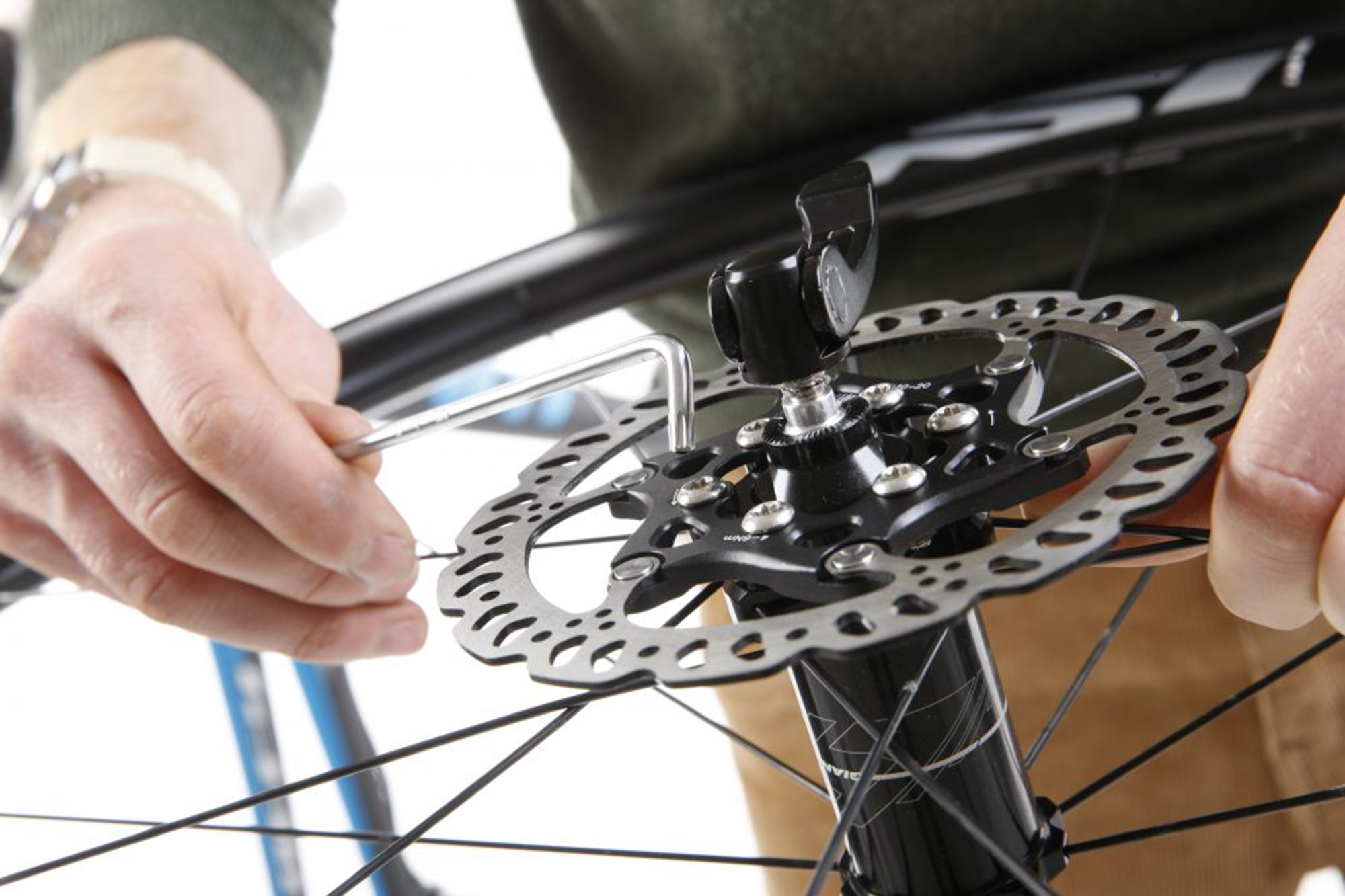
A bent rotor often causes brake noise. Check if the rotor spins evenly. Spin the wheel and watch the rotor’s edge. If it wobbles, it needs truing. Use a rotor truing tool or an adjustable wrench. Gently bend the rotor back to its shape. This helps the brake pads touch evenly and stops squealing.
Replacing Or Sanding Pads
Brake pads wear out and get glazed over time. Glazed pads cause noise and less stopping power. Remove the pads and check their surface. If shiny or hard, sanding them can help. Use fine sandpaper to roughen the pad surface. Replace pads if they are too thin or damaged. New pads improve brake grip and silence the noise.
Lubrication Tips
Proper lubrication reduces brake noise and wear. Avoid putting oil on brake pads or rotors. Lubricate only the brake lever pivots and cables. Use a light bike-specific lubricant. Apply it sparingly to avoid dirt buildup. Clean any spilled oil from pads and rotors immediately. Correct lubrication keeps your brakes smooth and quiet.
Professional Servicing
Sometimes brakes need expert care. A bike mechanic can check brake alignment, rotor wear, and hydraulic fluid levels. They have tools and skills to fix complex issues. Regular servicing extends brake life and ensures safe riding. Visit a professional if noise continues after basic fixes.
Credit: www.liv-cycling.com
Credit: laka.co
Frequently Asked Questions
Why Do Bicycle Brakes Make Squealing Sounds?
Bicycle brakes squeal due to vibration between brake pads and rims. Dirt, moisture, or worn pads increase noise. Proper cleaning and pad alignment reduce squealing, improving braking performance and safety.
How Can I Stop My Bike Brakes From Squealing?
To stop brake squeal, clean rims and pads regularly. Align brake pads properly and replace worn pads. Applying a small amount of rubbing alcohol on pads can reduce noise effectively.
Does Wet Weather Cause Bicycle Brake Squeal?
Yes, wet weather increases brake squeal. Moisture causes brake pads to slip and vibrate on rims. Drying brakes after riding in rain and regular maintenance helps prevent squealing.
Can Old Brake Pads Cause Squealing Noises?
Old or worn brake pads often cause squealing. As pads wear down, they lose grip and create noise. Replacing pads promptly ensures quiet, efficient braking and safer rides.
Conclusion
Bicycle brakes squeal mainly because of dirt, wetness, or worn parts. Keeping brakes clean helps stop the noise. Checking brake pads often avoids problems. Adjusting brake alignment makes riding smoother. Small fixes save you from big repairs later. Quiet brakes mean safer and more comfortable rides.
Remember, simple care keeps your bike working well. Don’t ignore brake noise; it tells you something needs attention. Regular maintenance keeps rides safe and fun.